

Yakap program benefits deliver vital healthcare support6 directly to aging citizens across the country. Medical…
The Soleus Secret: Foot Fidgeting for Health
Foot fidgeting offers powerful health benefits. Many people sit for long periods every day. This inactivity poses serious health risks. However, a small muscle in the calf provides a unique solution. This muscle is the Soleus. Researchers now call the Soleus the body’s “second heart.”
The Soleus muscle sits deep within the lower leg. It works hard when we walk or stand. When we sit, the muscle remains largely dormant. Consequently, blood tends to pool in our lower legs. This pooling causes swelling and increases clot risk.
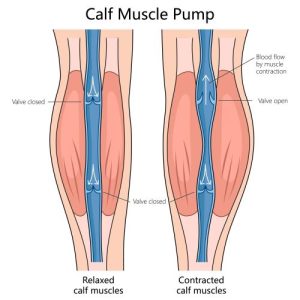 Foot fidgeting activates the Soleus effectively. Think of this motion as a subtle, seated heel raise. You gently lift and lower your heels while keeping your toes grounded. This action compresses the deep veins in your leg. This muscle contraction pumps deoxygenated blood back to the heart. Thus, it significantly improves circulation. Furthermore, this simple movement reduces the risk of Deep Vein Thrombosis (DVT).
Beyond circulation, the Soleus offers surprising metabolic effects. Scientists have discovered its unique role in glucose regulation. The Soleus can burn fats and glucose efficiently. This burning happens even during low-intensity, seated contractions.The effect is highly significant for managing blood sugar.
Continuous foot fidgeting boosts the muscle’s metabolic rate. This increased activity helps pull sugar directly from the bloodstream. Therefore, it effectively lowers blood glucose levels. People concerned about diabetes find this activity very helpful. The movement requires very little conscious effort. You can easily perform it while working at a desk.
Is this movement a true substitute for walking? Absolutely not. Walking remains an essential activity for overall fitness. It is a weight-bearing exercise. Walking strengthens bones and improves heart health drastically. It also engages larger muscle groups for calorie burning.
Nevertheless, foot fidgeting is a crucial supplement to sitting. Walking should break up long periods of sitting. However, when you cannot stand, fidgeting saves the day. It is your protective measure against the dangers of stagnation. The continuous, subtle motion keeps your circulation active. Moreover, it prevents that metabolic slowdown. Consequently, you maintain better health while remaining seated. Use fidgeting as your keep-alive health tool. Get up and walk whenever possible.
Ultimately, integrating foot fidgeting into your work routine is simple. It provides a powerful, passive defense against sedentary life. This small muscle offers a big return on investment. Start moving your feet subtly today.
The Soleus and Its Pumping Power
The Soleus muscle sits deep within the lower leg. It works hard when we walk or stand. When we sit, the muscle remains largely dormant. Consequently, blood tends to pool in our lower legs. This pooling causes swelling and increases clot risk.
Foot fidgeting activates the Soleus effectively. Think of this motion as a subtle, seated heel raise. You gently lift and lower your heels while keeping your toes grounded. This action compresses the deep veins in your leg. This muscle contraction pumps deoxygenated blood back to the heart. Thus, it significantly improves circulation. Furthermore, this simple movement reduces the risk of Deep Vein Thrombosis (DVT).Metabolic Benefits Are Significant
Beyond circulation, the Soleus offers surprising metabolic effects. Scientists have discovered its unique role in glucose regulation. The Soleus can burn fats and glucose efficiently. This burning happens even during low-intensity, seated contractions.The effect is highly significant for managing blood sugar.
Continuous foot fidgeting boosts the muscle’s metabolic rate. This increased activity helps pull sugar directly from the bloodstream. Therefore, it effectively lowers blood glucose levels. People concerned about diabetes find this activity very helpful. The movement requires very little conscious effort. You can easily perform it while working at a desk.
Foot Fidgeting Versus Walking
Is this movement a true substitute for walking? Absolutely not. Walking remains an essential activity for overall fitness. It is a weight-bearing exercise. Walking strengthens bones and improves heart health drastically. It also engages larger muscle groups for calorie burning.
Nevertheless, foot fidgeting is a crucial supplement to sitting. Walking should break up long periods of sitting. However, when you cannot stand, fidgeting saves the day. It is your protective measure against the dangers of stagnation. The continuous, subtle motion keeps your circulation active. Moreover, it prevents that metabolic slowdown. Consequently, you maintain better health while remaining seated. Use fidgeting as your keep-alive health tool. Get up and walk whenever possible.
Ultimately, integrating foot fidgeting into your work routine is simple. It provides a powerful, passive defense against sedentary life. This small muscle offers a big return on investment. Start moving your feet subtly today.

Related Posts


This Post Has 0 Comments