

Fresh vegetables provide the foundation for any successful metabolic health plan. Green beans, also called…
Understanding the SPISC: Essential Financial Aid for Filipino Seniors
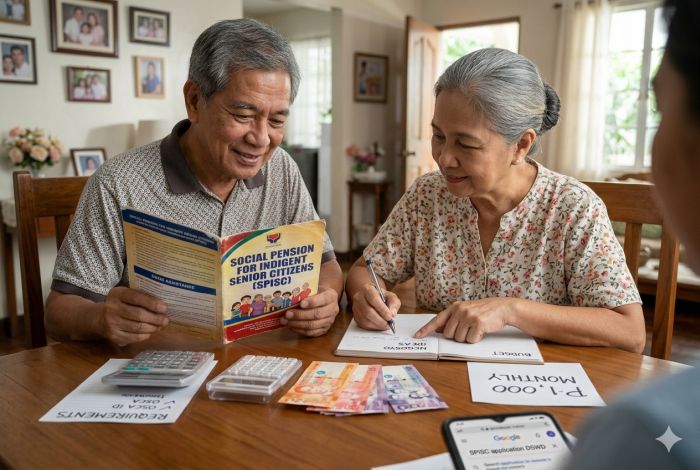 The Philippine government recognizes the immense value of its elderly population through dedicated social legislation. One cornerstone of this commitment is the SPISC, a vital social safety net for the most vulnerable citizens. Formally known as the Social Pension for Indigent Senior Citizens, this initiative offers direct financial relief. The Department of Social Welfare and Development (DSWD) manages the program under the Expanded Senior Citizens Act of 2010. This specific law ensures that poverty does not hinder the dignity of the elderly. Thousands of seniors across the nation now rely on this monthly stipend for survival.
Defining the Social Pension Program
Financial security remains a significant challenge for many aging Filipinos in the modern economy. The SPISC acts as a crucial bridge for those lacking traditional retirement funds. It provides much-needed cash to cover daily food requirements and expensive maintenance medicines. The program operates in every province, city, and municipality within the Philippine archipelago. This nationwide reach guarantees that no eligible senior remains forgotten in remote areas. Government officials prioritize the welfare of those who have no other means of support.
Qualifications for Potential Beneficiaries
Applicants must meet specific legal criteria to enter the Social Pension Program successfully. First, the individual must be at least 60 years of age. The program specifically targets those who are frail, sickly, or living with a physical disability. Health status plays a major role in determining the urgency of the financial assistance. Applicants must also prove a lack of regular income or stable compensation.
Furthermore, the senior should not receive any other pension from government or private agencies. This includes funds from the Social Security System (SSS) or the Government Service Insurance System (GSIS). Recipients of the Philippine Veterans Affairs Office (PVAO) pension also do not qualify for this specific aid. Additionally, the applicant should lack financial support from relatives to cover basic living needs. The DSWD uses these strict rules to ensure the money reaches the truly indigent.
Necessary Documentation for Applicants
Gathering the correct paperwork speeds up the approval process for new beneficiaries. Every applicant must fill out a formal Social Pension Application Form. A photocopy of the National ID serves as the primary identification document. If the National ID is currently unavailable, other options remain open to the senior. An Office for Senior Citizens Affairs (OSCA) ID works perfectly for identity verification. Any government-issued identification showing the date of birth is generally acceptable.
In cases where standard IDs are missing, a birth certificate provides valid proof of age. Applicants may also present a marriage certificate to establish their personal identity. Members of indigenous communities have access to specific alternative documentation for their applications. A Certificate of Tribal Membership or a Certificate of Ancestry from the NCIP fulfills this requirement. These flexible options prevent administrative hurdles from blocking access to essential government funds.
The Four-Step Application Process
Applying for the SPISC requires following a clear and structured path through local offices.
Step 1: Obtain the Form Visit the nearest OSCA or DSWD Field Office to secure the official application form. Local Barangay Senior Citizens Associations (BSCA) also keep copies of these documents for residents.
Step 2: Submit the Paperwork Complete the application form with accurate and honest personal information. Attach the required photocopies of your valid IDs or birth certificates. Ensure all details match your official records to avoid delays.
Step 3: Evaluation and Validation The DSWD and your Local Government Unit (LGU) will review your submission carefully. The Regional Social Pension Unit (RSPU) conducts a validation process to confirm your indigent status. This stage often includes a home visit from a social worker.
Step 4: Approval and Payout Wait for an official notification regarding your inclusion in the beneficiary list. The OSCA or Local Social Welfare Development Office (LSWDO) will provide the payout schedule.
Increased Pension Amounts and Payout Modes
Government leaders recently improved the benefits provided under Republic Act No. 11916. Indigent seniors now receive a monthly pension of PHP 1,000 to combat rising costs. This amount doubled from the previous PHP 500 stipend starting in January 2024. Beneficiaries receive their funds through various convenient methods depending on their physical location. Cash payouts remain common in many local government centers and barangay halls.
Door-to-door delivery serves those who cannot leave their homes due to illness. Digital payments and money remittances offer modern alternatives for faster fund access. The DSWD maintains regular validation schedules to keep the database accurate and fair. This constant monitoring ensures that only qualified individuals stay on the active payroll. Such measures protect the integrity of public funds for future generations of seniors.
Handling Unclaimed Pensions and Special Cases
Life transitions sometimes complicate the distribution of social pension funds for families. If a beneficiary passes away, an authorized family member may claim any remaining funds. This process requires specific documents to prove the relationship and the event. Representatives must present the OSCA ID of the deceased along with a photocopy. A true copy of the death certificate from the Philippine Statistics Authority (PSA) is mandatory.
The representative must also provide their own government-issued ID for security purposes. A barangay certification serves as a final verification of the relationship between both parties. These rules prevent the loss of benefits that the senior earned during their lifetime. Families should report changes in the status of a beneficiary to the LSWDO immediately. Clear communication helps the government reallocate resources to other waiting applicants on the list.
Conclusion
The SPISC represents a lifeline for the elderly poor across the Philippines. It transforms the lives of seniors by providing consistent and reliable financial support. Understanding the rules and procedures empowers families to secure the aid they deserve. Every eligible Filipino senior should take advantage of this compassionate government program. Your local DSWD office stands ready to assist you with the next steps.

Related Posts


This Post Has 0 Comments