
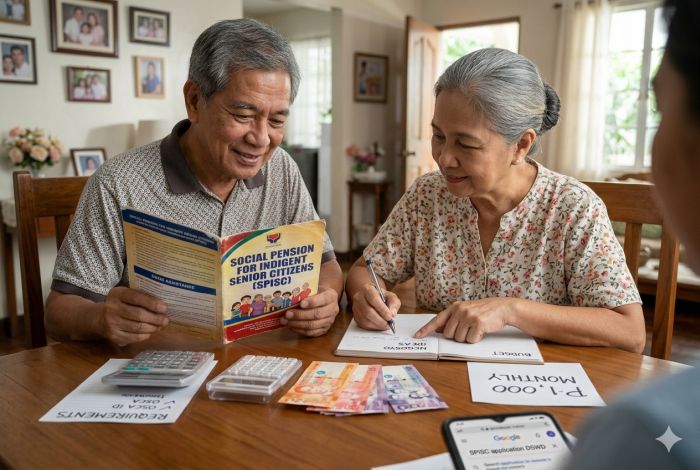
The Philippine government recognizes the immense value of its elderly population through dedicated social legislation.…
Microplastics, Nanoplastics: Senior Health Risks
Senior Citizen PH Web Team
- Health
- 7 months ago
- 2 mins Read
- 46 Views
- 0 Comments
 Microplastics and nanoplastics pose significant threats. These tiny particles impact senior health. Scientists actively study these effects. Further research clarifies the long-term consequences.
These minuscule plastic particles permeate our environment. They contaminate water sources. Food often contains these particles. Airborne microplastics also exist. Seniors face increased vulnerability. Their bodies process toxins less efficiently.
How Microplastics and Nanoplastics Affect Seniors
Microplastics, larger than nanoplastics, cause inflammation. They trigger immune responses. This process damages cells. Nanoplastics, even smaller, penetrate deeper. They reach organs directly. This poses even greater risks. The effects vary widely. Individual responses differ significantly.
Respiratory problems frequently occur. Seniors inhale microplastics. They may develop lung issues. Chronic inflammation worsens existing conditions. Cardiovascular problems also arise. Microplastics may enter the bloodstream. They can damage blood vessels. This increases the risk of heart disease.
The digestive system also suffers. Seniors ingest microplastics. They may experience gastrointestinal issues. Inflammation can lead to ulcers. Absorption of toxins also occurs. This further harms the body. Liver and kidney damage may result. Long-term consequences remain unclear. More research is needed.
Neurological effects also worry scientists. Some studies suggest a link. Microplastics may affect brain function. This could lead to cognitive decline. Further investigation is crucial. The exact mechanisms remain unknown. However, the potential risks are real.
Reducing Exposure to Microplastics and Nanoplastics
Fortunately, we can take action. We can limit our exposure. Several strategies prove effective. These methods help protect our health. Small changes make a big difference.
Choose filtered water. Avoid bottled water. Many bottles contain microplastics. Tap water filtration removes particles. This significantly reduces your intake. Eat less processed food. Processed foods often contain plastics. Fresh produce offers a healthier option.
Wash fruits and vegetables thoroughly. This removes surface contaminants. Scrubbing helps eliminate particles. Avoid single-use plastics. Reusable containers offer alternatives. This reduces plastic waste significantly. Support sustainable practices. This benefits the environment. It also protects your health.
Air purifiers help. They remove airborne microplastics. Regular cleaning also matters. Dust often contains these particles. Vacuuming and wiping surfaces helps. Choose natural fabrics. Synthetic clothing releases microplastics. Natural fibers offer a better choice.
Conclusion
Microplastics and nanoplastics pose serious threats. Seniors face heightened vulnerability. However, proactive steps reduce exposure. We can protect ourselves. We can safeguard our health. Collective action is necessary. We must address this growing problem. Our future depends on it.

Senior Citizen PH Web Team
SeniorCitizenPH.com web team.
Related Posts
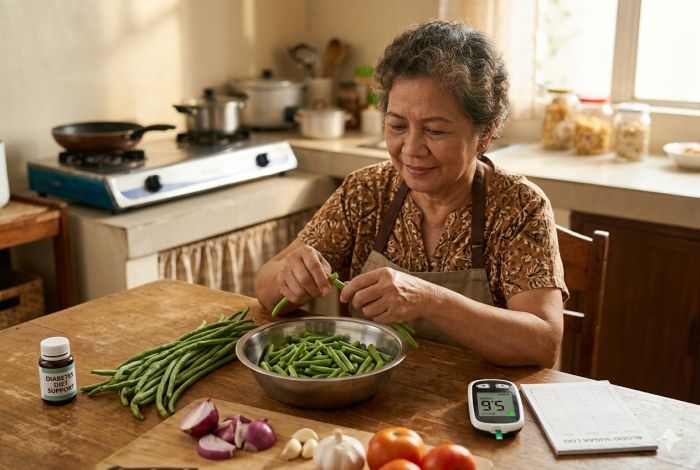
Fresh vegetables provide the foundation for any successful metabolic health plan. Green beans, also called…
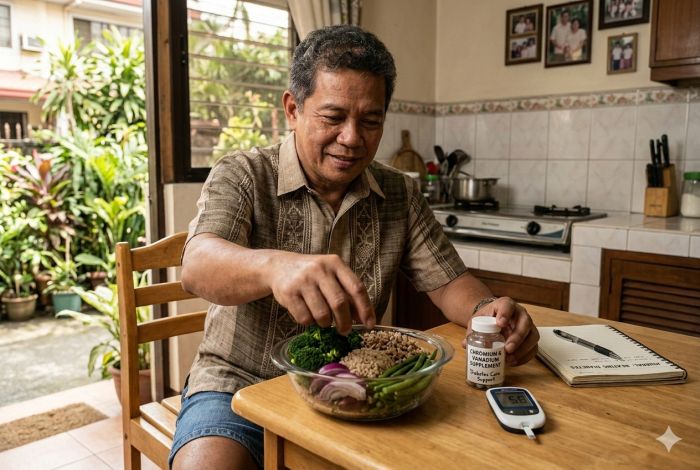
Modern diets often lack essential trace minerals. These nutrients play vital roles in metabolic health.…
This Post Has 0 Comments